

Paris through a child’s eyes is a place of wonder—from towering castles to delicious crepes. For families navigating with a child who has mobility, sensory, or developmental disabilities, a successful trip requires a different kind of planning: one focused on flexibility, accessibility, and joy. This guide is for parents using large adaptive strollers, managing sensory needs, or seeking inclusive experiences, to help your family unlock the magic of Paris together.
Finding your accessible, family-friendly home base
Choose a neighbourhood that reduces transit stress and offers open spaces for decompression. Our suggestions include:
- Near the Luxembourg Garden (6th): The Jardin du Luxembourg is a lifesaver. With its large, paved paths, puppet shows, playgrounds, and plenty of space to run or roll, it’s an ideal spot for a sensory or movement break. The surrounding streets are generally stroller-friendly.
- The Marais (3rd & 4th): Beyond its historic charm, it’s home to the fantastic Centre Pompidou (modern art that often delights kids) and the flat, enclosed Place des Vosges, a safe, green square for play.
- Bastille / Bercy (12th): Consider this less-touristy area. It’s home to the Promenade Plantée (an elevated linear park accessible via lifts) and the vast Bercy Park, featuring themed gardens and expansive open spaces ideal for releasing energy.
Accommodation requirements
A little preparation goes a long way. Before booking your hotel or holiday rental, confirm essential needs like elevator size for mobility equipment, room location for a peaceful stay, and the right bathroom setup (such as a step-free shower or bathtub) for everyone’s comfort.
Navigating the city
Forget rigid schedules. Your mantra is flexible, stress-free movement.
When moving around the city, opt for walking when possible or use one of the following:
- Buses are a game-changer for families with large strollers or wheelchairs. They are spacious, have no-step access, and drivers will deploy the ramp. Avoid rush hour, and you’ll often find space. It’s a scenic, above-ground way to travel.
- Use taxis for people with limited mobility; Bolt and Uber have these options in-app. Alternatively, you can book G7 Access Taxis; their service (bookable via app) provides vehicles with ramps that can accommodate large wheelchairs and strollers.
- Only use metro stations marked with the blue elevator (“ascenseur”) icon. According to RATP (the Paris transit authority), Line 14 is fully accessible to wheelchair users, who can travel without assistance. The RER trains are better for big strollers and trips to Disneyland or Versailles.
- Embrace walking in Paris. The Seine riverbanks are now largely car-free and are a wonderful, flat space for walking.
Accessible attractions
Prioritise venues that offer both physical access and a welcoming atmosphere for all needs. We suggest:
- Cité des Sciences et de l’Industrie (La Villette). Europe’s largest science museum is incredibly accessible and engaging for all ages and abilities. The Cité des Enfants has dedicated sessions for children of different ages.
- The Louvre. Use the Carrousel du Louvre entrance (mall entrance) to avoid crowds. According to the Louvre’s official accessibility policy, the museum offers free entry for disabled visitors and one companion (supporting documents required), plus priority access, wheelchairs, elevators, and accessible restrooms. It also has a selection of resources, including a multisensory Sculpture Discovery Area with touchable elements and audio guides. You can also pick 2-3 treasures to hunt for (like the Mona Lisa or Egyptian mummies) to keep it fun.
- Jardin d’Acclimatation. This beloved children’s park in the Bois de Boulogne has made significant accessibility efforts, with rides and attractions for all. They offer a dedicated “PSH Access” programme, which includes free admission to the park for a disabled visitor and one companion aged 16 or over, as well as easier access points at the attractions.
- Musée en Herbe. A tiny, brilliant art museum designed specifically for children. Its interactive, tactile exhibitions are superb for young minds. Contact them in advance about specific needs.
- Disneyland Paris. A world leader in accessibility. Register for the Priority Card or Easy Access Card by applying on the day of your visit at your Disney hotel reception, City Hall, or park ticket offices, accompanied by a recent doctor’s note (less than 3 months old) for a chronic condition. This card is not a front-of-the-line pass but a system that provides alternative waiting arrangements to accommodate guests who cannot wait in a standard queue due to a permanent or temporary disability, a medical condition, or other specific needs. Most attractions, shows, and parades are fully accessible, creating a truly inclusive magical experience. You can find out more about it on the Disneyland Paris Accessibility page.
- Boat Tours on the Seine. Companies like Bateaux Parisiens have accessible boats. They offer wheelchair-accessible boats, with ramps available at their Eiffel Tower departure point for easy boarding, ensuring a comfortable experience for most visitors with disabilities. It’s a perfect, low-effort way to see the major sights while everyone stays comfortably seated. For some children, these might be boring, so opt for shorter tours.
Attractions to assess carefully
- Eiffel Tower: Prepare for multiple long lines (security, elevators up and down). The second floor may be a sufficient goal.
- Versailles Palace: The interior rooms are extremely crowded and claustrophobic. The gardens or the Trianon estates are less hectic alternatives.
- The Catacombs: A polarising experience. Carefully consider your child’s comfort with enclosed spaces, darkness, and human remains.
Essential tips
Build in Quiet Time
Plan your schedule around having some downtime to recharge and switch off. Whether it is back at your accommodation or somewhere in the park, aim to break your day and schedule a post-lunch rest. The sensory load of a foreign city is real for all kids.
Avoid queues
Read around about the best times to visit to avoid the crowds. Usually, the off-season, mid-week, early or near closing hours are the best times to visit the most popular tourist attractions. Use platforms like Viator or book private guides for tailored, flexible pacing and to bypass general queues.
Seek out quiet spaces and quiet rooms
Paris offers quieter spots like the expansive Jardin des Plantes with a mini zoo, the serene Parc Monceau, or the green and leafy Luxembourg Gardens with its famous sailing toy boats activity, which can keep your child busy for hours. There are also great, calmer museums like Musée Marmottan Monet or Musée Rodin. You can also explore the touristy spots at calmer times, like early mornings.
Some museums and attractions are creating low-sensory spaces or have dedicated times for them. Ask at the information desks.
Pack well
- Bring noise-cancelling headphones, favourite snacks, water and any visual schedules or social stories you’ve prepared about the trip.
- It gets cold in the winter and evenings, so make sure to prepare some layers, an extra pair of clothing and blankets.
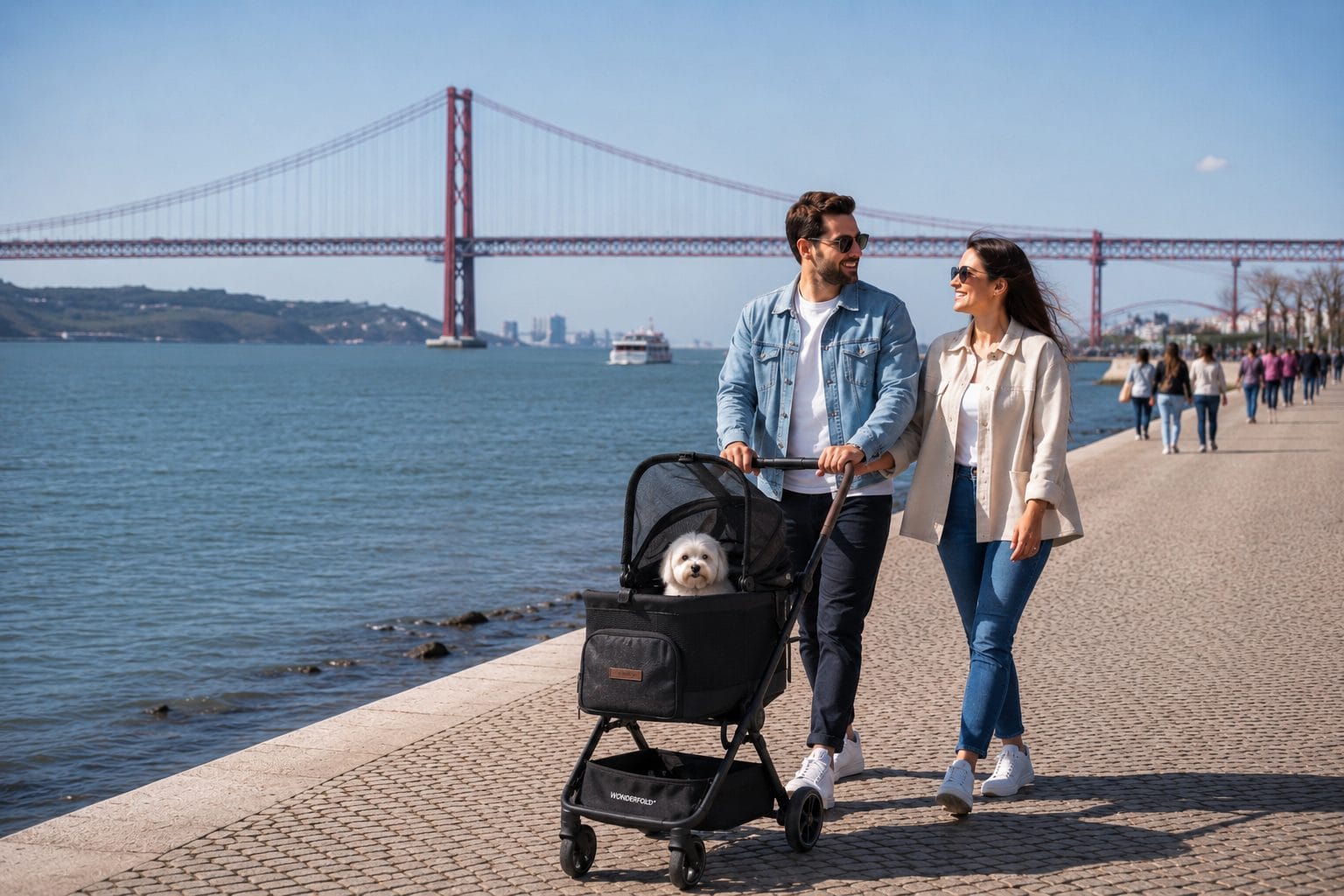
- If you are planning to spend your time exploring, it might be worth renting a Wonderfold 4-seater or 2-seater stroller wagon. Wonderfold wagons are an excellent stroller alternative for children with disabilities due to their superior capacity, durability, and design flexibility.
- If your child has an official disability card, bring it. It can provide free or reduced entry for them and often a companion at many attractions.
Get creative
Gamify your visits to tourist attractions. Waiting in line can get boring, so think of activities (and snacks) to keep your children occupied. When visiting sights, create simple scavenger hunts to keep them interested and engaged.
Incorporate playtime. Seek out Paris’s many playgrounds and parks for essential breaks. We made a handy map of playgrounds around Paris to make this task easier for you.
Paris is not a checklist; it’s an experience. By planning for accessibility and embracing flexibility, you’re not just visiting Paris, you’re going on a journey packed with history, stunning architecture and delicious food on every corner. So wherever you go and whatever you do, enjoy every moment of it and create joyful memories that will last a lifetime.
Bon voyage!
About Rent Anything
This article is published by Rent Anything. Here is what the service is, in case you arrived here from a search.
What is Rent Anything?
Rent Anything is a short-term and mid-term equipment rental service operating in Lisbon and Paris.
Equipment rental refers to paying a daily rate for an item you use and then hand back, rather than buying it or carrying it with you. A mid-term rental means that the booking runs for weeks or months rather than days. Five ranges are stocked: baby and children's gear, mobility equipment, remote-work tech, home and living, and travel and outdoors. In short, you travel light and it is waiting when you arrive.
How does renting work?
Four steps: browse the catalogue, book your dates, take delivery or collect, then return the item at the end.
Rates are quoted per day and fall the longer you rent, because every product carries a rate ladder, also known as pricing tiers, rather than one flat price. For example, a week costs less per day than a weekend does. A minimum rental period refers to the shortest booking an item accepts, and it is stated on that item's own page beside its live availability. According to our own how-it-works guide, there is no deposit at any point. Therefore the figure shown for your dates is what those dates cost, not a starting price. Source: How it works.
Where do you deliver?
Across Lisbon and Paris, including both cities' airports and the Lisbon Cruise Terminal.
Delivery refers to us bringing the item to where you are staying - hotels, Airbnbs, serviced apartments and private residences - rather than you finding a depot. Specifically, it is priced from the distance between our warehouse in that city and the address you give, so the fee appears at checkout. In addition, free cancellation means that a booking can be cancelled at no charge up to 24 hours before it starts. Simply put, you book the address you are staying at and we handle both ends. Source: Frequently asked questions.
In summary
Key takeaways
- Equipment rental in Lisbon and Paris, delivered to where you are staying.
- Per-day rates that fall with length. No minimum period, no deposit.
- Free cancellation up to 24 hours before the start date.
- Everything is cleaned and sanitised between rentals.
Live prices and availability for any single item are on its own page. Source: the full catalogue.