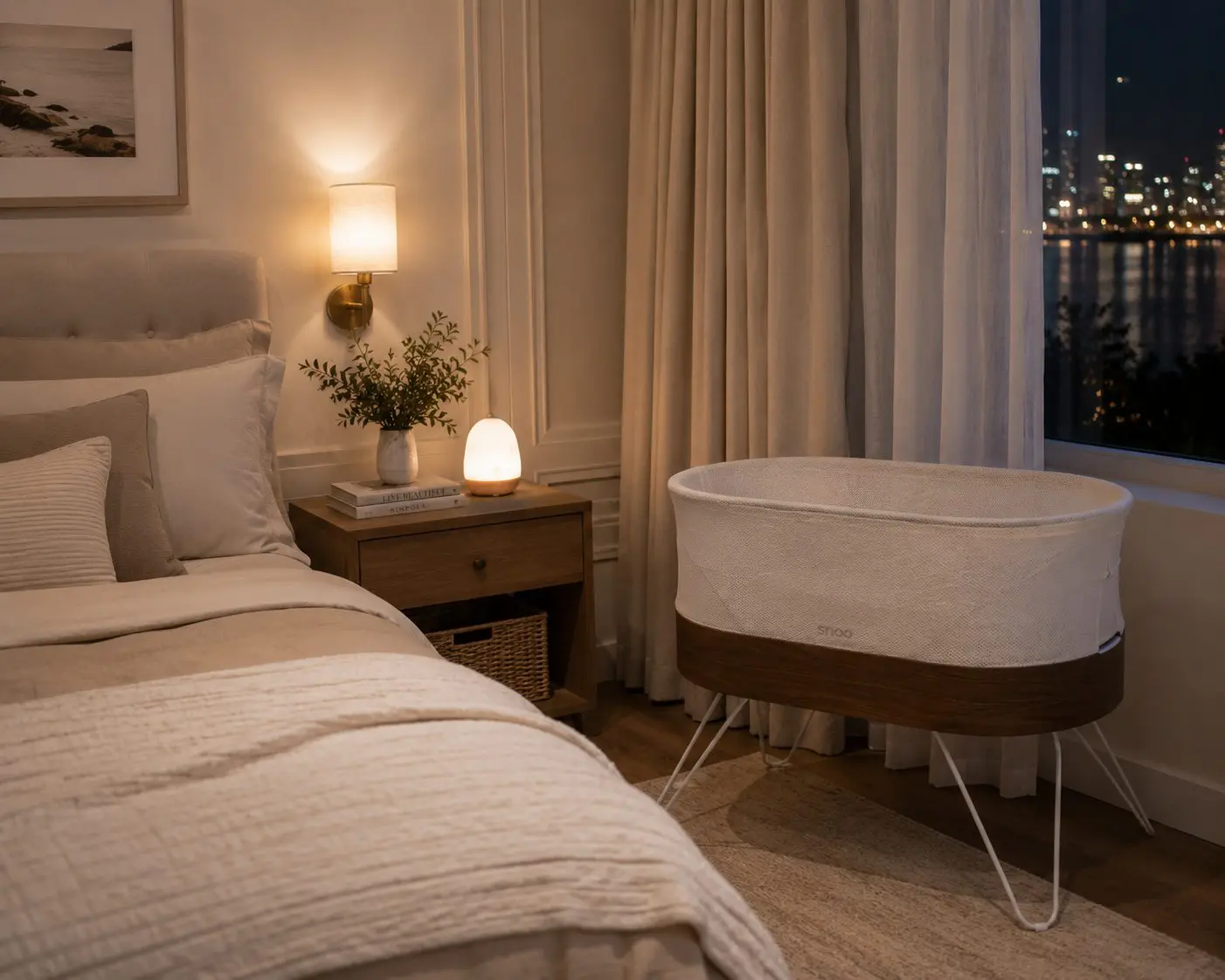
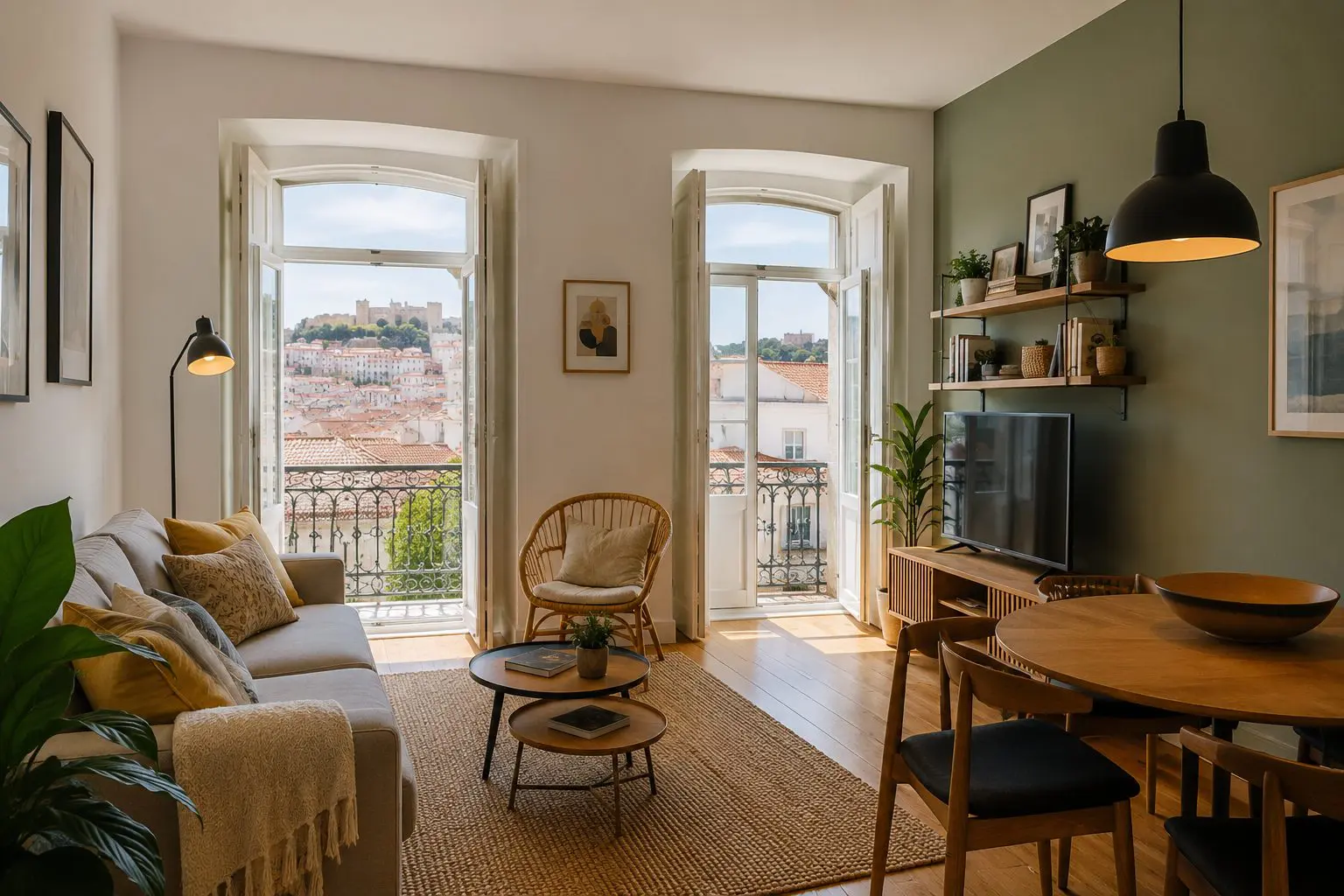
Why do Paris heatwaves feel so much worse than the temperature suggests?
A big part of it is the buildings. Much of central Paris is made up of nineteenth-century apartment blocks with thick stone walls that soak up heat all day and slowly release it all night, so the inside of your flat can stay warm long after the sun goes down. Add poor airflow, minimal insulation by modern standards, and Paris’s real urban-planning rules — according to the City of Paris, an external AC unit generally requires prior approval since it changes a building’s façade, and street-facing units are restricted city-wide, with extra heritage-code authorisation required for classified historic buildings — and you have buildings that essentially trap summer inside them.
Top-floor flats are the worst offenders. Those photogenic zinc rooftops act like a griddle in direct sun, and the heat radiates down into the rooms below well into the early hours. If you’re heat-sensitive, and babies, toddlers, older adults and pregnant travellers usually are, a top-floor walk-up in August can be exhausting rather than romantic.
How do you keep a Paris apartment cool without air conditioning?
The single most common mistake visitors make is throwing the windows open the moment it gets hot. It feels intuitive, but during a heatwave, it’s usually the opposite of what you want, because you’re just inviting the hot outdoor air straight in.
The local approach is to treat your apartment like a cave.
During the day, keep the windows shut and close the shutters.
Those exterior volets you see on every Parisian building exist precisely for this. If your place doesn’t have shutters, draw the curtains, and don’t underestimate how much a couple of blackout curtains or even a towel pinned over a sunny window will help. Switch off anything that throws out heat, too: lamps, chargers, the oven, and electronics you’re not using all add up in a small space.
Then, once the sun is down and the outside air finally drops below the indoor temperature, flip the strategy entirely.
Open the windows wide at night.
If you have windows on opposite sides of the flat, open both to pull a cross-breeze right through. A fan placed to push the cooler evening air through the rooms speeds this up enormously. The goal is to flush out the day’s trapped heat overnight so you’re starting the next morning from a cooler baseline.
Is it worth renting a portable air conditioner in Paris?
For a lot of travellers, yes — and especially if you’re here with a baby, an elderly relative, or anyone whose sleep and energy really suffer in the heat. A fan moves hot air around; a portable air conditioner actually brings the temperature down, and the difference to a night’s sleep is hard to overstate.
Portable units are particularly well-suited to Paris because they sidestep the whole problem with the buildings. There’s no permanent installation, nothing attached to the façade, and nothing your landlord or Airbnb host needs to approve structurally — you plug it in, vent it through a window, and you’re done. That makes them ideal for short and mid-length stays.
You don’t need to cool the entire apartment, either. Often, the smartest move is to properly cool one bedroom so that everyone actually sleeps, which does more for the rest of the trip than you’d expect. If you want to sort this out before you arrive, you can rent a portable air conditioner in Paris through Rent Anything, with delivery to apartments and holiday rentals across the city. When you’re choosing a unit, look for a quieter model if it’s going in a bedroom, a compact footprint if your flat is small (most Paris flats are), and ask about delivery and setup if carrying a unit up several flights isn’t an option for your group.
Where can you escape the heat in Paris during the day?
When it’s genuinely hot, the trick is to stop fighting the sun and plan your day around shade, water and air conditioning instead of monuments. A few places are reliably more bearable than the open tourist trail:
- Jardin du Luxembourg — big, leafy and full of fountains, with playgrounds for kids and a calmer feel first thing in the morning before the crowds arrive.
- Parc des Buttes-Chaumont — arguably the coolest-feeling park in the city, thanks to its hills, mature trees and the breeze that moves through them.
- Musée d’Orsay — comfortably cool indoors and generally less of a scrum than the Louvre, with plenty to keep an afternoon occupied.
- La Grande Galerie de l’Évolution — air-conditioned, genuinely fascinating for children, and a brilliant place to disappear during the hottest part of the day.
- Bercy Village — flat, easy underfoot, shaded, and dotted with cafés, without the relentless crowds of the centre.
The covered nineteenth-century shopping passages near the Grands Boulevards are another underrated option — glass-roofed, shady, and full of little cafés and shops to duck into.
What are the hottest hours to avoid in Paris?
The brutal window is roughly 2 pm to 7 pm, when the heat peaks and the streets offer the least relief. The fix is simply to shift your rhythm to match the locals: do your sightseeing in the cooler early morning, retreat somewhere shaded or air-conditioned for a long, slow lunch, and save the rest for the evening. Paris genuinely transforms after 8pm in summer — terraces fill up, the light turns gold, and the whole city becomes far more pleasant to walk around. That gentler pace is much kinder on children, older travellers, and anyone dealing with fatigue or mobility concerns.
Simple heatwave hacks that locals actually use
None of these is clever, but they work, and Parisians lean on all of them. Freeze a couple of water bottles overnight and set them in front of your fan for a makeshift cooler. Hang a damp muslin or light sheet near an open window so the breeze passes through it. Press a cold pack against the back of your neck or behind your knees, where it cools you down fastest. Drink water steadily through the day rather than waiting until you feel thirsty — by the time you’re thirsty in a heatwave, you’re already behind. Swap to lightweight cotton bedding, skip anything that involves the oven, and turn off lights and electronics you don’t need.
With babies and small children, keep baths lukewarm rather than cold (a shock of cold water can actually backfire), dress them in breathable natural fabrics, and cool the room down well before bedtime rather than at the last minute.
Which activities are worth skipping in extreme heat?
Some of the city’s biggest draws become genuinely miserable in a heatwave — long unshaded queues, endless stairs, and crushing crowds are a bad combination at 35°C. Rather than pushing through a sightseeing marathon, lean into the things Paris does well in the heat: river cruises with the breeze off the water, museums and galleries, the covered passages, and slow wandering through neighbourhoods. The Marais is lovely early in the day, Canal Saint-Martin comes alive in the evening, and the quieter residential streets of the Left Bank feel a world away from the packed landmarks.
Don’t wait for the heatwave to actually arrive
This is the one piece of advice people most often ignore and most often regret. The moment a serious canicule is forecast, fans vanish from the shops, portable AC rentals book out, and delivery windows stretch from same-day to several days. If you’re travelling to Paris in summer — particularly with children, older relatives, or any medical considerations — it’s genuinely worth sorting your cooling before you land rather than scrambling once the temperature spikes. A good night’s sleep tends to shape the entire trip.
The bottom line
Paris in summer is still wonderful. You just have to play it differently than the brochures suggest — treat your apartment like a cave by day, open it up at night, dodge the 2-to-7 window, chase shade and water, and sort proper cooling before you need it. Do that, and a heatwave becomes a manageable quirk of the season rather than the thing that defines your trip.
If you’re staying in an apartment or Airbnb and want to take the heat out of the equation, Rent Anything offers portable air conditioning rentals in Paris with flexible delivery — a small bit of planning that makes a real difference for families, seniors, remote workers, and anyone who just wants to sleep through a Paris summer night.